Buying a laptop becomes confusing when you see processor names like Intel Core i3, Core i5, Core i7, Core Ultra 5, Core Ultra 7, U-series, H-series, 13th Gen, 14th Gen, and AI PC. Many buyers think that i7 is always better than i5, and i5 is always better than i3. But that is not always true.
The real problem is that processor names are used heavily in marketing. A new-generation i5 can sometimes perform better than an old i7. A high-power i5-H processor can be faster than a low-power i7-U processor. A laptop with i7 but poor cooling can perform worse than a well-built i5 laptop.
The processor controls laptop speed, multitasking, battery life, heating, gaming performance, coding performance, editing performance, and long-term usability. If you choose the wrong processor, your laptop may feel slow, heat too much, or give poor battery backup.
In this guide, you will learn the difference between i3, i5, and i7 processors, which processor is best for students, office work, coding, gaming, editing, and daily use, and what mistakes to avoid before buying a laptop.
Quick Summary
- Intel Core i3 is best for basic users, online classes, typing, browsing, and light office work.
- Intel Core i5 is the best choice for most students, office users, multitaskers, and normal buyers.
- Intel Core i7 is best for gaming, editing, coding, design, engineering tools, and heavy workloads.
- A newer i5 can beat an older i7, so always check generation and model number.
- U-series processors are usually better for battery life, while H-series processors are better for performance.
- Do not buy only by looking at i3, i5, or i7; also check RAM, SSD, display, battery, cooling, and GPU.
- Newer laptops also use names like Core Ultra 5 and Core Ultra 7, which are modern processor categories for productivity, graphics, battery efficiency, and AI-focused features.
Top Picks
- Lenovo IdeaPad Slim 5i Core Ultra 5 – Best Overall
- Acer Aspire Lite Core i3 – Best Budget
- ASUS TUF Gaming F15 Core i7 – Best Performance
- HP Pavilion x360 Core i5 – Best Battery
- ASUS Vivobook 15 OLED Core i5 – Best Value
Best Laptop Processor Examples
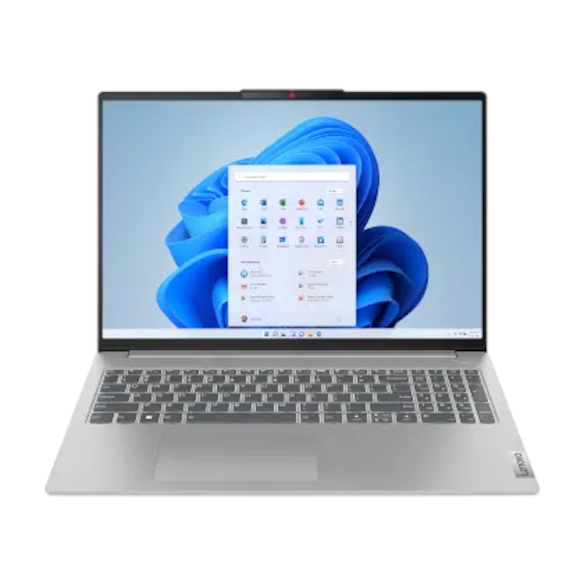
1. Lenovo IdeaPad Slim 5i Core Ultra 5 – Best Overall
Key Specifications
- Processor: Intel Core Ultra 5 125H
- RAM: 16GB
- Storage: 1TB SSD
- Display: 16-inch WUXGA IPS display
- Resolution: 1920 x 1200 pixels
- Graphics: Integrated Intel graphics
- Webcam: FHD IR camera with dual microphone
- Battery: 57Wh internal battery
- Best For: Students, office users, multitasking, browsing, coding basics, and daily productivity
Lenovo IdeaPad Slim 5i is a strong overall example because it uses a modern Core Ultra 5 processor, which fits the role many buyers previously expected from a good Core i5 laptop.
Key Features
The main advantage of this laptop is balance. It is not a very basic i3 laptop, and it is not a heavy gaming i7 laptop. It sits in the middle, which makes it suitable for most buyers.
The Core Ultra 5 processor is useful for modern productivity. It can handle Chrome tabs, Microsoft Office, Google Docs, online meetings, coding basics, PDF reading, presentations, and light editing.
The 16GB RAM is also important. A good processor with low RAM can still feel limited. With 16GB RAM, this laptop is better for multitasking.
Real-World Performance
In real-world usage, this type of laptop is ideal for students, working professionals, teachers, freelancers, and business users.
You can use it for online classes, research, office work, video calls, web browsing, light coding, and entertainment. It is not a dedicated gaming laptop, but it is smooth for normal daily tasks.
Battery life should be better than heavy gaming laptops because it does not use a dedicated high-power GPU.
Pros
- Good balance of performance and battery: It is powerful enough for daily work while still being practical for portability.
- 16GB RAM is useful: Multitasking becomes smoother compared to 8GB laptops.
- Large 16-inch display: Good for documents, spreadsheets, online classes, and split-screen work.
- Modern processor category: Core Ultra 5 is a good option for users who want a newer productivity laptop.
Cons
- Not for heavy gaming: Integrated graphics are not enough for serious gaming.
- Not the cheapest option: It costs more than basic i3 laptops.
- Exact performance depends on cooling: Thin laptops can reduce performance under long heavy workloads.
Best For: Lenovo IdeaPad Slim 5i Core Ultra 5 is best for users who want a balanced laptop for study, office work, browsing, multitasking, and long-term daily use.
2. Acer Aspire Lite Core i3 – Best Budget

Key Specifications
- Processor: Intel Core i3 / Intel Core 3 series variant
- RAM: 8GB
- Storage: 512GB SSD
- Display: 15.6-inch Full HD display
- Operating System: Windows 11
- Graphics: Integrated Intel graphics
- Best For: Basic users, students, online classes, typing, browsing, and light office work
Acer Aspire Lite is a good budget example because it gives simple laptop specifications for basic users. It is useful for students, parents, home users, and office users who do not need heavy performance.
Key Features
The main reason to choose an i3 laptop is price. If your work is simple, you do not always need i5 or i7.
A Core i3 laptop with SSD storage is good for browsing, typing, online classes, PDFs, video calls, YouTube, emails, and light office work.
The important thing is to avoid old HDD-only laptops. A Core i3 laptop with SSD can feel much faster than an older i5 laptop with HDD storage.
Real-World Performance
In daily use, an i3 laptop is enough for light users. It can handle Google Chrome, Microsoft Word, Excel basics, Zoom, Google Meet, YouTube, and online learning platforms.
However, it is not ideal for heavy multitasking. If you keep 20 browser tabs open, run coding tools, edit videos, or play heavy games, an i3 laptop will feel limited.
For students with a tight budget, i3 is acceptable. But for long-term use, i5 or Core Ultra 5 is safer.
Pros
- Affordable price: Best option for budget buyers.
- Good for basic tasks: Works well for browsing, typing, online classes, and documents.
- SSD improves speed: 512GB SSD makes the laptop more responsive than older HDD laptops.
- Lower power usage: Basic processors can be efficient for simple work.
Cons
- Not suitable for heavy work: Avoid i3 if you do editing, coding, gaming, or heavy multitasking.
- May age faster: It can feel slow after a few years if your usage increases.
- Integrated graphics only: Not suitable for heavy gaming or graphics work.
Best For: Acer Aspire Lite Core i3 is best for students, parents, home users, and basic office users who want an affordable laptop for simple daily work.
3. ASUS TUF Gaming F15 Core i7 – Best Performance

Key Specifications
- Processor: 13th Gen Intel Core i7-13620H
- CPU Cores: 10 cores, 6 performance cores + 4 efficiency cores
- Graphics: NVIDIA GeForce RTX 4050 6GB
- RAM: 16GB DDR5
- Storage: 512GB PCIe 4.0 NVMe SSD
- Display: 15.6-inch Full HD
- Refresh Rate: 144Hz
- Best For: Gaming, editing, 3D work, engineering tools, and heavy performance
ASUS TUF Gaming F15 is a clear example of when Core i7 makes sense. It is built for performance users who need a stronger processor, dedicated graphics, fast RAM, and better cooling.
Key Features
The Core i7-13620H is a high-performance H-series processor. This is different from low-power U-series processors. H-series chips are designed for stronger performance, but they use more power and need better cooling.
The dedicated RTX 4050 GPU is very important. For gaming and editing, the graphics card matters as much as the processor.
The 144Hz display is useful for gaming because motion looks smoother. DDR5 RAM and PCIe 4.0 SSD also improve speed.
Real-World Performance
In real-world usage, this laptop is much faster than basic i3 and normal i5 laptops for heavy tasks.
It is good for gaming, 1080p/4K editing, Blender basics, AutoCAD, engineering software, coding, Android Studio, and multitasking.
However, it is heavier and has lower battery life than thin-and-light laptops. Gaming laptops are best used while plugged in during heavy workloads.
Pros
- Strong performance: Core i7-H series is suitable for heavy workloads.
- Dedicated RTX graphics: Important for gaming, editing, rendering, and GPU-based tasks.
- 144Hz display: Good for smoother gaming.
- DDR5 RAM and fast SSD: Helps with multitasking and loading speed.
Cons
- Heavier than normal laptops: Gaming laptops are not ideal for daily travel.
- Battery drains faster: High-performance CPU and GPU use more power.
- Fan noise can increase: During gaming or editing, fan noise is normal.
Best For: ASUS TUF Gaming F15 Core i7 is best for gamers, creators, engineering students, video editors, and users who need serious performance.
4. HP Pavilion x360 Core i5 – Best Battery

Key Specifications
- Processor: 13th Gen Intel Core i5-1335U
- CPU: 10 cores, 12 threads
- RAM: 16GB DDR4
- Storage: 512GB PCIe NVMe SSD
- Display: 14-inch Full HD touch display
- Graphics: Intel Iris Xe graphics
- Camera: 5MP camera
- Form Factor: 2-in-1 convertible laptop
- Best For: Students, meetings, portability, note-taking, office work, and battery-focused users
HP Pavilion x360 is a good example of a Core i5 U-series laptop. It is useful for users who want portability, touch support, good daily performance, and better battery practicality than a gaming laptop.
Key Features
The Core i5-1335U is a U-series processor. U-series chips are usually designed for efficiency and portability instead of maximum performance.
This makes the Pavilion x360 useful for students and professionals who want a laptop for meetings, online classes, writing, browsing, and presentations.
The 2-in-1 design is useful because you can use it in laptop mode, tent mode, or tablet-style mode. The 5MP camera is also helpful for video calls.
Real-World Performance
In daily use, the Pavilion x360 Core i5 is smooth for normal productivity. It can handle office apps, online meetings, browsing, PDFs, note-taking, and light creative work.
It is not a gaming laptop, but it is better than i3 laptops for multitasking.
Battery life depends on brightness, video calls, touch usage, and background apps. But compared to gaming laptops, this type of laptop is usually more practical for portable daily use.
Pros
- Good balance for portable work: Core i5 U-series is practical for daily use and battery-focused workloads.
- 2-in-1 design: Useful for students, teachers, and presentation work.
- 5MP camera: Better for meetings than many basic 720p laptop webcams.
- 16GB RAM and SSD: Good for multitasking and smooth app opening.
Cons
- Not for heavy gaming: Integrated graphics are not enough for serious gaming.
- Touch laptops can cost more: You pay extra for convertible design.
- Not as powerful as i7-H laptops: Performance is focused on efficiency, not maximum speed.
Best For: HP Pavilion x360 Core i5 is best for students, office users, teachers, and professionals who want portability, touch support, and good daily performance.
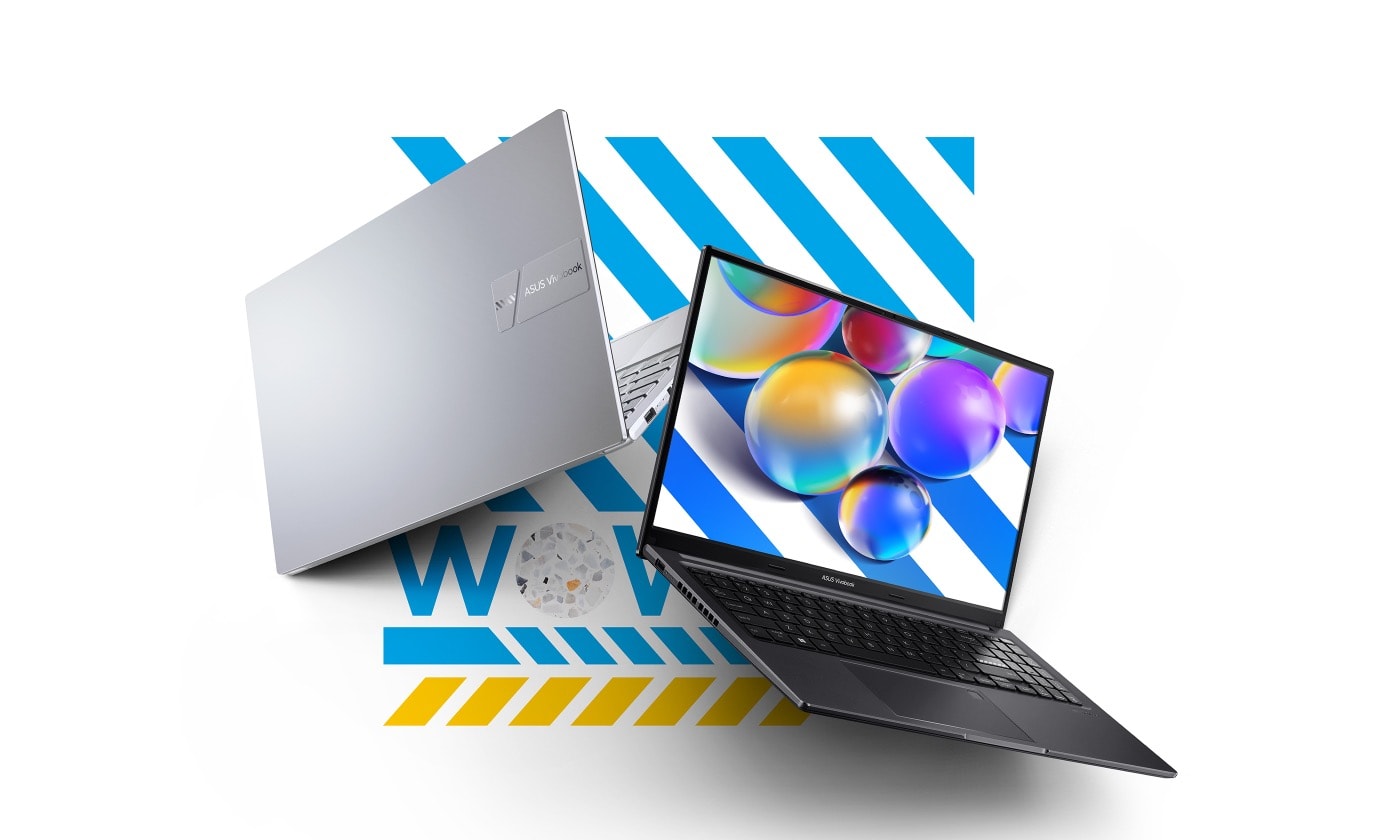
5. ASUS Vivobook 15 OLED Core i5 – Best Value
Key Specifications
- Processor: Up to 13th Gen Intel Core processors
- RAM: Up to 16GB
- Storage: Up to 1TB SSD
- Display: 15.6-inch OLED option
- Graphics: Intel Iris Xe graphics on supported variants
- Connectivity: Wi-Fi 6E
- Features: Webcam shield, 180-degree hinge, IceCool thermal design
- Best For: Students, office users, content watching, light creators, and value buyers
ASUS Vivobook 15 OLED is a strong value example because it combines useful performance with a better display experience. A Core i5 version is a good choice for users who want a laptop for study, work, entertainment, and daily multitasking.
Key Features
The biggest advantage of this laptop is the display. OLED screens offer better colours, deeper blacks, and a better viewing experience than many basic LCD laptops.
A Core i5 version of this laptop is a good choice for users who want performance and display quality together.
It is good for office work, online classes, content writing, light photo editing, entertainment, and daily multitasking.
Real-World Performance
For normal users, a Core i5 Vivobook 15 OLED is smooth and practical. It handles Chrome tabs, documents, video calls, YouTube, Netflix, basic editing, and study work well.
It is not a gaming laptop unless you choose a variant with dedicated graphics. Most Vivobook models are productivity-focused.
The OLED display is excellent for content, but users should avoid keeping static images at maximum brightness for long periods.
Pros
- Excellent display quality: OLED improves movies, photos, presentations, and reading.
- Good value with Core i5: Core i5 gives enough performance for most users.
- Useful privacy feature: Webcam shield helps protect privacy.
- SSD and RAM options are practical: 16GB RAM and SSD storage are good for long-term use.
Cons
- Not mainly for gaming: Integrated graphics are limited.
- OLED needs careful use: Long static content at high brightness can increase burn-in risk over time.
- Many variants exist: Always check exact processor, RAM, storage, and display before buying.
Best For: ASUS Vivobook 15 OLED Core i5 is best for students, office users, writers, and entertainment-focused buyers who want a good screen and reliable performance.
Comparison Table
| Feature | Acer Aspire Lite Core i3 | Lenovo IdeaPad Slim 5i Core Ultra 5 | ASUS TUF Gaming F15 Core i7 | HP Pavilion x360 Core i5 | ASUS Vivobook 15 OLED Core i5 |
|---|---|---|---|---|---|
| Best For | Basic work | Daily productivity | Gaming and heavy performance | Portability and meetings | Display and value |
| Performance | Good for basic work | Best balanced daily performance | Best heavy performance | Good daily performance | Good productivity performance |
| Battery | Good for light use | Good balance of battery and performance | Lower during gaming and heavy use | Good for portable use | Good for normal use |
| Best Buyer | Budget users | Students and office users | Gamers and creators | Students and professionals | Students and media users |
Category Winners
Price Winner: Acer Aspire Lite Core i3
Acer Aspire Lite Core i3 wins in price because it is suitable for budget buyers who only need basic performance.
Performance Winner: ASUS TUF Gaming F15 Core i7
ASUS TUF Gaming F15 wins in performance because it has a high-performance Core i7-H processor and RTX 4050 dedicated graphics.
Battery Winner: HP Pavilion x360 Core i5
HP Pavilion x360 wins for battery-focused users because its Core i5 U-series processor is designed for portable daily work rather than heavy gaming.
Camera Winner: HP Pavilion x360 Core i5
HP Pavilion x360 wins the camera category because the listed model includes a 5MP camera, which is better than many standard laptop webcams.
Value Winner: ASUS Vivobook 15 OLED Core i5
ASUS Vivobook 15 OLED wins value because it gives a strong mix of Core i5 performance and premium OLED display quality.
Buying Guide
1. Processor Tier
Intel Core i3 is for basic work. Intel Core i5 is for most users. Intel Core i7 is for heavy users.
But do not stop there. Check the full processor name. For example, i5-1335U, i5-13500H, and i7-13620H are not the same type of processor.
Related Guide: Before buying any laptop, read our complete guide on what to check before buying a laptop.
2. Processor Generation
A newer-generation i5 can be better than an older i7. Always check the generation and model number.
For example, a 13th Gen i5-H processor can perform very well, while an old 8th Gen i7 may feel outdated.
3. Processor Suffix
The letter at the end matters.
- U-series: Usually focuses on battery life and thin laptops.
- H-series: Usually focuses on high performance.
- HX-series: Usually used in powerful gaming and workstation laptops.
4. RAM
Processor alone is not enough. In 2026, 8GB RAM is the minimum, but 16GB RAM is recommended for most users.
For gaming, editing, coding, and heavy multitasking, choose 16GB or more.
5. SSD Storage
Always choose SSD storage. A laptop with SSD feels much faster than a laptop with HDD.
512GB SSD is the best minimum for most users.
6. Graphics
If you play games, edit videos, use Blender, or work with 3D software, check for a dedicated GPU.
Intel Iris Xe or integrated graphics are fine for normal work, but not for serious gaming.
Related Guide: For gaming users, read our gaming laptop buying guide.
7. Cooling
A powerful processor needs good cooling. Poor cooling can reduce performance.
This is why gaming laptops are thicker and heavier. They need space for cooling.
Important Specs Explained
Processor
The processor controls speed, multitasking, app loading, gaming support, coding performance, and productivity.
Battery
Processor efficiency affects battery life. U-series processors usually give better battery backup than H-series processors.
Related Guide: If battery life is important, check our list of laptops with best battery life.
Display
A good processor cannot fix a bad display. Check resolution, brightness, colour quality, and refresh rate.
Camera
For online classes and meetings, webcam matters. A 5MP webcam is better than a basic 720p camera.
GPU
The GPU handles graphics. It is important for gaming, video editing, 3D work, and AI workloads.
Common Mistakes To Avoid
- Do not buy only because it says i7.
- Do not ignore processor generation.
- Do not ignore U-series vs H-series.
- Do not buy 4GB RAM laptops in 2026.
- Do not buy HDD-only laptops.
- Do not expect i3 to handle heavy editing.
- Do not buy a gaming laptop if you need lightweight portability.
- Do not ignore laptop cooling.
- Do not forget to check service support and warranty.
Performance And Real-World Usage
Gaming Performance
For gaming, i7-H with a dedicated GPU is much better than i3 or basic i5 laptops.
ASUS TUF Gaming F15 Core i7 is the best gaming example in this guide because it includes RTX 4050 graphics.
Core i3 laptops are not recommended for serious gaming. Core i5 laptops can handle light gaming, but dedicated graphics matter more.
Battery Usage
For battery life, i5 U-series or Core Ultra 5 laptops are usually better than i7 gaming laptops.
Gaming laptops drain battery faster because they use powerful CPUs, GPUs, fans, and high-refresh displays.
Camera Usage
Processor does not directly improve webcam quality, but a better processor helps during video calls when you are multitasking.
If you attend many online classes or meetings, check webcam quality separately.
Daily Usage Experience
For daily use, Core i5 or Core Ultra 5 is the safest choice. It gives enough performance without the cost, heat, and battery drain of many i7 laptops.
Core i3 is enough only for basic users. Core i7 is best for people who know they need extra power.
Related Guides: You can also check our lists of best laptops for students, best laptops for coding, and best laptops under ₹60000.
Pros Of Choosing The Right Processor
- Core i3 Advantages: Core i3 laptops are cheaper, simple, and good for basic work. They are useful for students with a tight budget and home users.
- Core i5 Advantages: Core i5 gives the best balance. It is good for study, office work, multitasking, coding basics, browsing, and entertainment.
- Core i7 Advantages: Core i7 gives better performance for heavy tasks like gaming, editing, engineering tools, programming, and creative work.
- Better Long-Term Use: Choosing the right processor helps your laptop last longer and stay smooth.
- Better Productivity: A good processor saves time by opening apps faster and handling multitasking better.
Cons And Problems To Watch For
- Core i3 Limitations: Core i3 can feel slow with heavy multitasking, editing, gaming, and coding tools.
- Core i5 Limitations: Core i5 is balanced, but not always enough for advanced gaming or professional editing unless paired with a good GPU.
- Core i7 Limitations: Core i7 laptops can be expensive, heavier, hotter, and may have lower battery life.
- Naming Confusion: Intel processor names can be confusing because generation, suffix, power limit, and laptop cooling all matter.
- Marketing Can Mislead: A laptop with i7 is not automatically better than every i5 laptop.
Final Verdict
Best Overall Product: Lenovo IdeaPad Slim 5i Core Ultra 5 is the best overall example because it offers balanced performance, 16GB RAM, SSD storage, and a practical display for daily productivity.
Best Budget Product: Acer Aspire Lite Core i3 is the best budget example because it is enough for basic users, students, browsing, typing, and online classes.
Best Performance Product: ASUS TUF Gaming F15 Core i7 is the best performance example because it includes a Core i7-H processor and RTX 4050 dedicated graphics.
Best Battery Product: HP Pavilion x360 Core i5 is the best battery-focused example because its U-series processor is practical for portable daily use.
Best Value Product: ASUS Vivobook 15 OLED Core i5 is the best value example because it combines Core i5 performance with a high-quality OLED display.
Who Should Buy i3
Buy i3 if your usage is basic: online classes, browsing, typing, YouTube, email, and simple office work.
Who Should Buy i5
Buy i5 if you are a student, office worker, developer beginner, freelancer, teacher, or normal multitasker.
Who Should Buy i7
Buy i7 if you do gaming, editing, coding with heavy tools, 3D work, engineering software, or professional multitasking.
FAQs
1. Is i3 enough for students?
Yes, i3 is enough for basic students who use online classes, PDFs, browsing, and assignments. But if you want long-term performance, i5 is better.
2. Is i5 better than i3?
Yes, i5 is generally better than i3 for multitasking, performance, and long-term use. It is the best choice for most users.
3. Is i7 always better than i5?
No. A newer i5 can beat an older i7. Also, an i5-H processor can be faster than an i7-U processor in some workloads.
4. Which processor is best for gaming?
For gaming, choose i7-H or higher with a dedicated GPU like RTX 4050 or better. The GPU is very important for gaming.
5. Which processor is best for office work?
Core i5 or Core Ultra 5 is best for office work. It gives good performance without unnecessary cost.
6. Should I buy i3 with 16GB RAM or i5 with 8GB RAM?
For most users, i5 with 8GB RAM is better for processor performance. But if possible, choose i5 with 16GB RAM for the best experience.
7. What is the difference between i5-U and i5-H?
i5-U is usually designed for battery life and thin laptops. i5-H is designed for higher performance and is common in performance laptops.
Conclusion
Choosing between i3, i5, and i7 becomes simple when you understand your real usage.
Choose i3 if your work is basic. Choose i5 if you want the best balance. Choose i7 if you need high performance.
For most buyers, Core i5 or Core Ultra 5 is the safest choice. It gives good performance, battery life, and long-term usability without becoming too expensive.
Before buying, check the full processor name, generation, suffix, RAM, SSD, display, battery, cooling, webcam, GPU, and warranty. The best laptop processor is not always the highest number. It is the processor that matches your work, budget, and long-term needs.

No comments:
Post a Comment